
Do You Need an Architect or an Interior Designer in Charlotte?
Architect vs. Interior Designer: What's the Difference, and Do You Need Both?
An architect designs the structure of your home - the layout, the roofline, the load-bearing walls, how it meets code. An interior designer shapes what happens inside that structure once it's built - furniture, finishes, color, lighting. On most larger custom homes in North Carolina, you'll work with both, often at the same time.
I get asked about this distinction almost every week, usually by a homeowner who's just started their project and isn't sure who to call first. So let's clear it up.
What Does an Architect Actually Do?
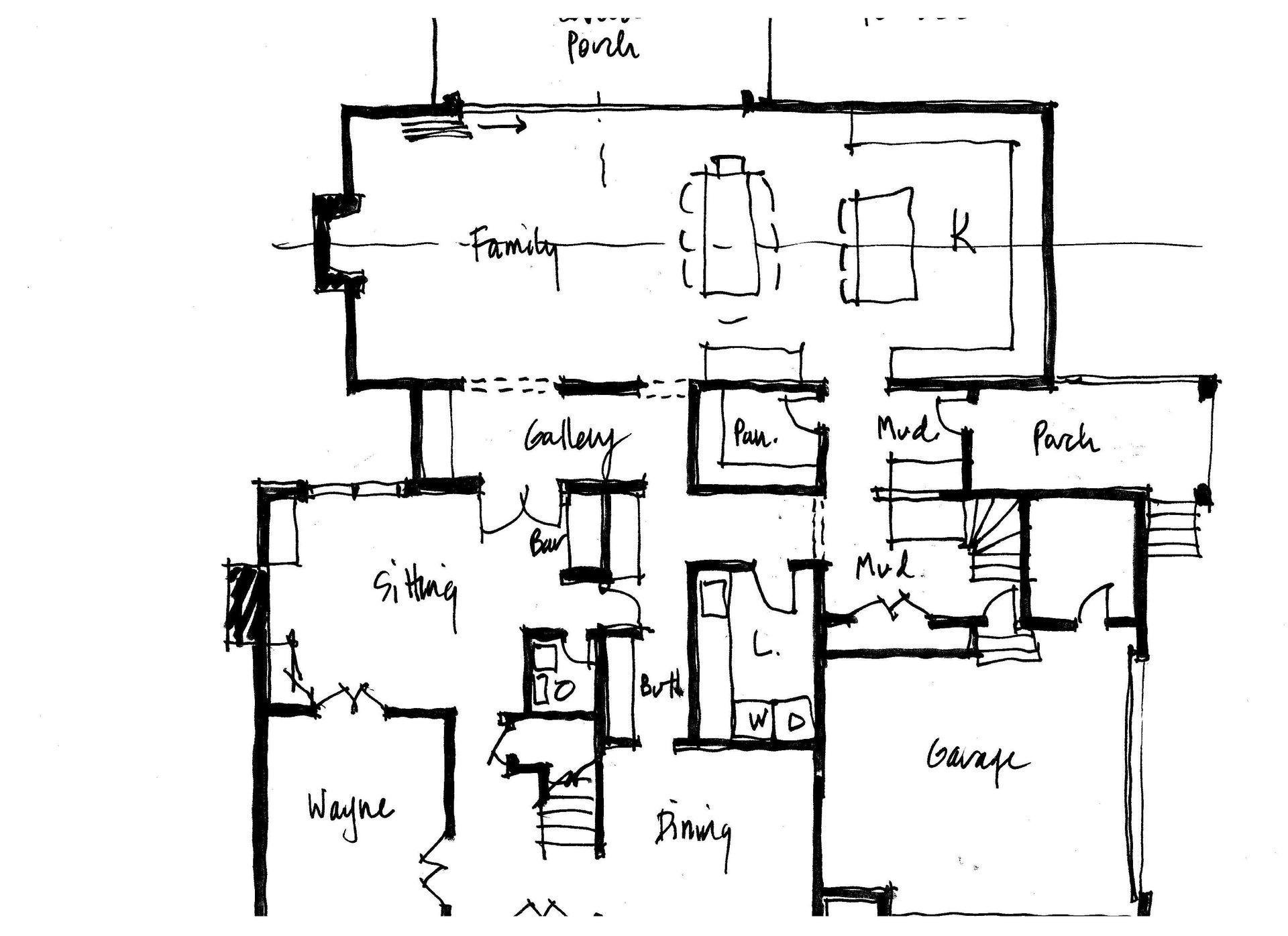
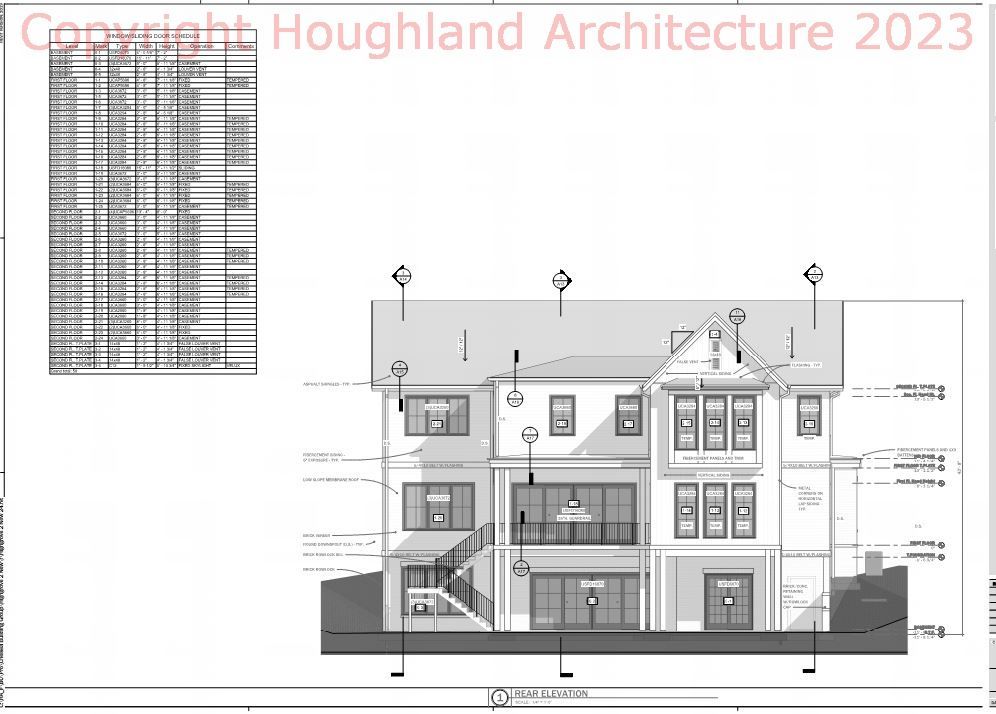
Architecture is where art meets science. Your architect is responsible for the bones of your home: structural design, spatial planning, how rooms connect, how light moves through the house, and how the whole thing holds up under North Carolina's building code and your local zoning rules. In Charlotte, that means working within the Charlotte UDO and the NC Residential Code (NCRC), which govern everything from setbacks to structural requirements.
Your architect is also usually the coordinator of your entire project. They're the ones outlining responsibilities between the interior designer, your structural engineer, and your builder, and making sure everyone is working from the same vision.
Here's what falls under an architect's scope:
- Structural design and load-bearing systems
- Spatial planning and room-to-room flow
- Exterior aesthetic and how the home relates to its site
- Code compliance and permit drawings
- Coordinating the broader project team
What an architect typically won't touch unless you ask: furniture selection, window treatments, plumbing fixtures, or decorative finishes. That's not a gap in service, it's just a different skill set, and it's the one your interior designer fills.
What Does an Interior Designer Actually Do?
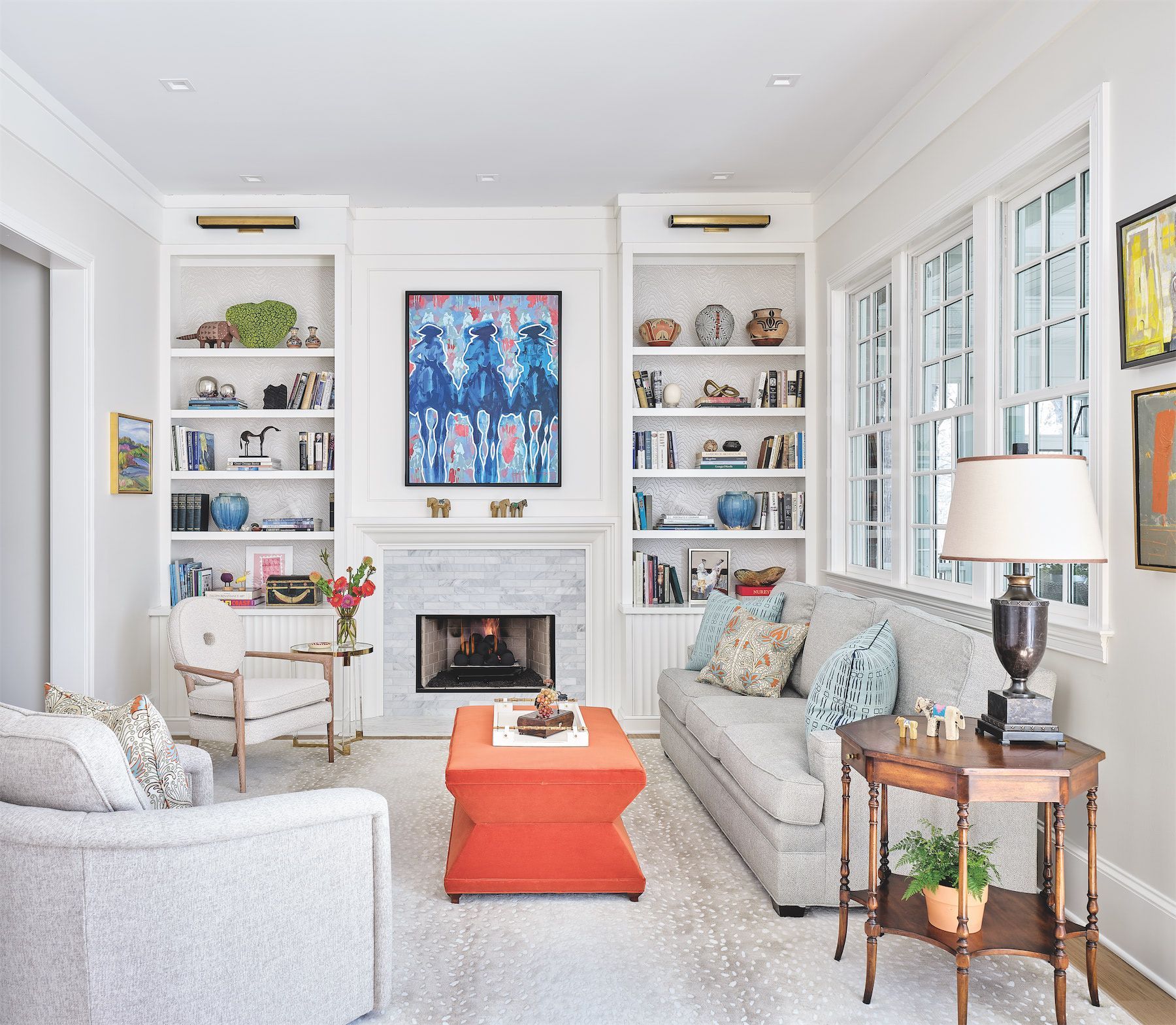
If architecture gives you the canvas, interior design is the paint. Once the structure exists, or while it's being planned, your interior designer works within that framework to shape how the space feels day to day: color palettes, furniture, textures, lighting fixtures, and how a room functions for the way you actually live.
A good interior designer is thinking about ergonomics and space utilization as much as style. Where does the sofa go so the room doesn't feel cramped? How does the lighting change the mood of a space at night versus during the day? These are questions that come after the architecture is largely set, which is why interior designers are typically working inside boundaries the architect has already drawn.
What falls outside their scope: building codes, structural engineering, plumbing layouts, and permit drawings. If your interior designer starts talking about moving a load-bearing wall, that conversation needs to loop back to your architect

Architect vs. Interior Designer: A Quick Comparison
| Architect | Interior Designer | |
|---|---|---|
| Primary focus | Structure, layout, exterior | Furnishings, finishes, ambiance |
| Governed by | Charlotte UDO, NCRC, building codes | Client preference, aesthetics |
| Involved in permits | Yes | Rarely |
| Typical timing | Start of project through construction | Overlaps with late design, construction, often extends after |
| Coordinates the team | Usually, yes | Usually not |
Why Does This Distinction Actually Matter?
Because if you hire the wrong professional for the wrong problem, you waste time and money. I've had homeowners come to us wanting an "architect" to help pick paint colors, and others who hire an interior designer expecting them to move a wall. Neither is set up to fail you on purpose, they just have different training, different licensing, and different responsibilities under the law.
Think of it like baking: your architect is responsible for the recipe, getting the ratios right so the structure actually holds together. Your interior designer is the one decorating the finished cake. You need both to end up with something that's structurally sound and enjoyable to live in.
Do You Need Both an Architect and an Interior Designer?
For most higher-end custom builds, yes. Some architecture firms, including ours, work closely with a small group of designers we trust. Other times, you will bring in an outside interior design firm once the structural plans are further along. On some new homes and renovations, however, particularly where the homeowner is very creative and wants to be hands-on, there may not be an interior designer. About 50% of our smaller projects work that way. Check out some additional info on our what we do for homeowners page. If you are an interested homeowner who wants to be more involved, we do suggest that we review the responsibilities and truly understand the amount of work involved. There are literally hundreds of decisions that will be needed. In order to get good pricing on your construction the homeowner will need to show potential builders that there is a plan in place to answer the interior design-related questions. Builders, understandably, do not want to be held responsible for too many design decisions or have their schedule blown up by delayed choices about grout color.
Either way, three things tend to separate projects that go smoothly from ones that don't:
- Role clarity from day one. Everyone should know who's making which decisions before construction starts, not halfway through.
- Sequencing. Interior design decisions, especially anything that affects electrical, plumbing rough-ins, or built-ins, work best when they're made early enough to inform the architectural drawings, not bolted on afterward.
- Direct communication between the two. The projects that struggle are usually the ones where the architect and interior designer are only talking through the homeowner instead of to each other.
The Bottom Line
Your architect builds the framework your home lives inside. Your interior designer makes that framework feel like yours. Confusing the two, or hiring one when you actually need the other, is one of the most common early missteps we see in custom home projects, and it's an easy one to avoid once you know the difference.
If you're not sure which conversation you need to have first, that's exactly the kind of question worth asking before you sign with anyone. Understanding what architects typically charge is a good next step, and if you're also budgeting for mechanical systems, our breakdown of HVAC cost drivers is worth a look too.
At Houghland Architecture, we work directly with homeowners and with the interior designers on their team, whether that's someone we've partnered with before or a firm you've already chosen. If you're starting a custom home or renovation in the Charlotte area, reach out. We're happy to talk through where your project stands and who you need in the room.
To find out more, reach out to our team in Charlotte, NC or apply for a FREE call today.